The Secret History of the Silent Film to Sound Transition | Old Hollywood Candle Co.
The silent film to sound transition of 1927 didn’t just change what movies sounded like – it rewrote who got to have a career in Hollywood at all. Here’s what actually happened, and who it left behind.
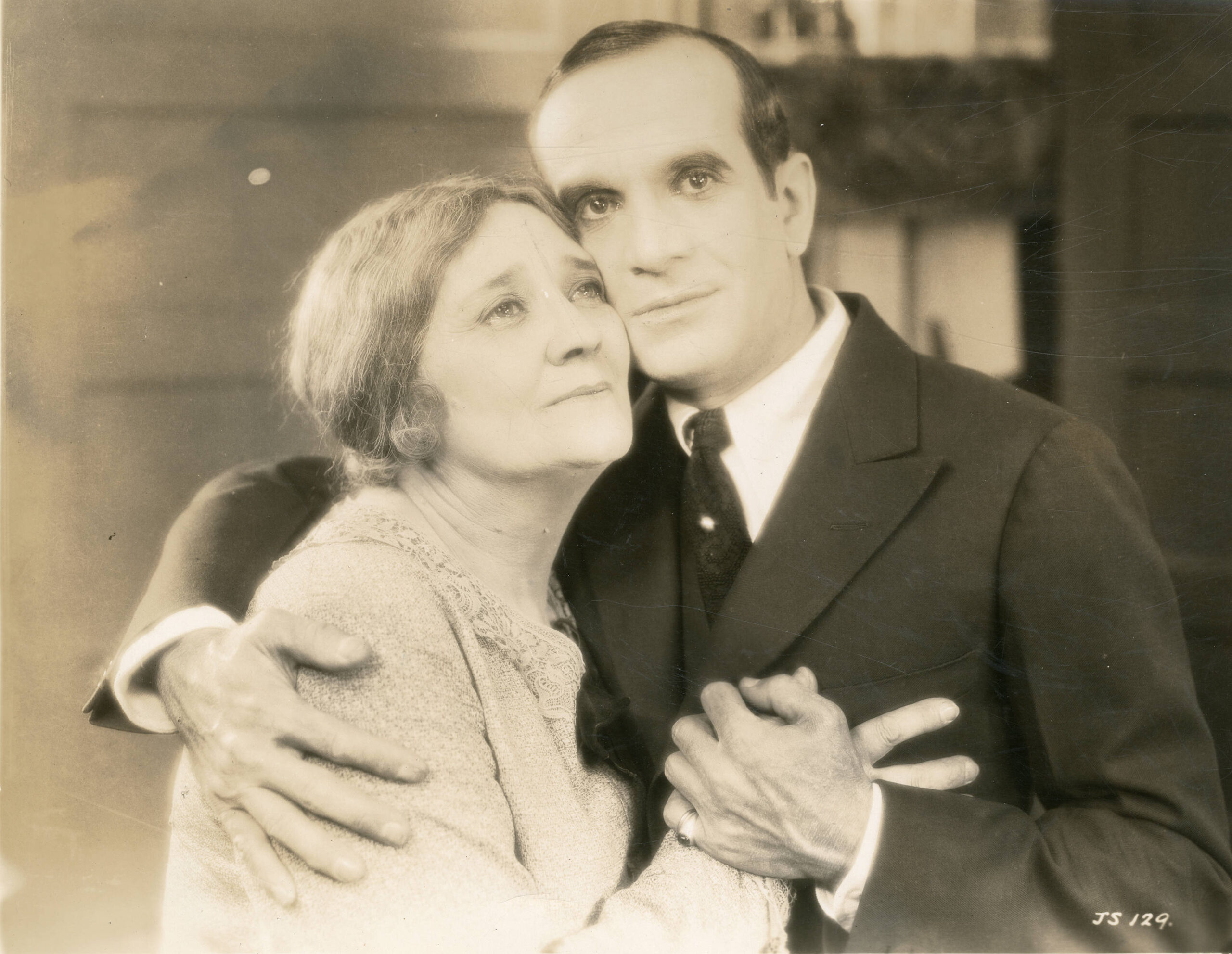
On October 6, 1927, an audience at Warner Bros.’ theater in New York sat down expecting the usual: a film, a live orchestra, and a story told entirely through faces and title cards. What they got instead was Al Jolson turning to the camera mid-performance and saying, plainly, “Wait a minute, wait a minute, you ain’t heard nothin’ yet.”
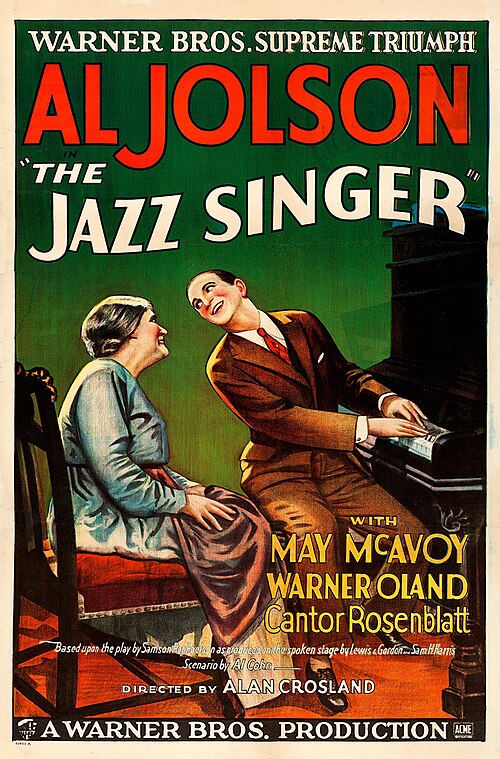
It wasn’t much of a line. It didn’t need to be. It was the first time a mainstream feature film audience had heard an actor speak in sync with his own moving image, and by the time the credits rolled on The Jazz Singer, the silent era had, for all practical purposes, been handed its expiration date.
The Silent Film to Sound Transition Begins
The Jazz Singer wasn’t a full talking picture; it was mostly a silent film with intertitles, spliced with about fifteen minutes of synchronized singing and dialogue, using a Warner Bros. sound system called Vitaphone. Vitaphone recorded sound on a separate wax disc, which a projectionist then had to sync manually to the film reel as it played; a genuinely fragile process, prone to falling out of sync if a disc skipped or a reel snapped.
It also wasn’t the first film to use synchronized sound at all; short sound films had existed before it. What made The Jazz Singer different was scale: it was a full-length feature, it was a commercial hit, and it proved to every studio watching that audiences didn’t just tolerate sound, they wanted it. Warner Bros., a mid-tier studio before the gamble, became a major player almost overnight.
How fast everything actually changed
Despite the drama historians (and Babylon) like to assign to that one premiere, the silent film to sound transition wasn’t instant. It took roughly a year and a half for American theaters to convert from silent projection to sound equipment; a genuinely expensive, disruptive retooling for thousands of movie houses across the country. Studios spent that same window scrambling through a mix of half-measures: fast remakes, silent films with a single spliced-in sound sequence, and films shot twice; once silent, once with dialogue, to hedge their bets while sound proved itself.
By 1929, though, the math was settled. Hollywood had largely abandoned silent film production, and the “part-talkie” was already a relic of a two-year transition period rather than a lasting format.
Who the transition actually broke
The popular version of the silent film to sound transition is simple: silent stars had bad voices, talkies exposed them, and their careers ended. The real version is messier, and more interesting.
Some actors genuinely struggled – thick accents that had never mattered on a silent screen suddenly did, and certain voices simply didn’t match the persona audiences had spent years imagining for them. John Gilbert, one of the most popular romantic leads of the silent era, became the industry’s go-to cautionary tale; historians still debate whether his voice was actually the problem, or whether studio politics at MGM used sound as a convenient excuse to push him out. Several other established stars left the industry during this window for reasons that blurred together – some voice-related, some simply a matter of not being offered the same roles anymore.
Others adapted just fine. Greta Garbo’s low, accented voice turned out to work beautifully on film – her first talkie, Anna Christie (1930), was marketed with the tagline “Garbo Talks!” and became a hit. The idea that sound was a clean, universal filter that separated “real talent” from empty faces doesn’t hold up under scrutiny; plenty of it came down to studio decisions made off-camera, not just what came out of anyone’s mouth on set.
The part nobody photographed
The transition also quietly rearranged who held power on a film set. Sound technicians – a role that barely existed before 1927 – became indispensable almost overnight, occasionally overruling directors who’d been running sets their own way for a decade. Cameras, once mobile enough to swoop and drift through a scene, got boxed into soundproof housings to keep their motor noise off the recording, which flattened the visual fluidity silent film had spent years perfecting. Even the type of story being told shifted, since dialogue-driven scripts favored different pacing and different writers than the visually-driven silent tradition had rewarded.
Not everyone welcomed it. D.W. Griffith, the director behind some of silent film’s most influential (and most troubling) work, dismissed the whole idea outright: “Speaking movies are impossible. When a century has passed, all thought of our so-called ‘talking pictures’ will be abandoned.” He said this in 1926, one year before The Jazz Singer proved him about as wrong as a studio executive has ever been.
This is exactly the kind of industry mechanics behind the silent film to sound transition that we like digging into here. If you’re new here, this is the first post in Behind the Marquee, where we cover the business, politics, and power struggles behind the glamour.